 Chronicle
Market Daily Brief: HSBC earns more, and the market sells it anyway
Market Daily Brief
By Arthur Ledger: Sunday editorials and daily company notes
Tuesday was a lesson in how markets weigh good news against worry. HSBC reported a strong quarter and fell about 6%. Reckitt trimmed its sales forecast and slipped 4%. Brazil had its worst day in a generation. The patient owner's job is to separate what a business earns from what the crowd fears this week.
Brazil, the Budget and oil
Brazil's real fell 8%, its worst day since 1999, and the Bovespa dropped 13.9% after Lula's re-election. The deficit is 9.5% of GDP, debt 83% and the Selic rate 13.75%. At home, Chancellor John Healey delivers the Budget on Wednesday, promising "everyday fixes" rather than giveaways. The Joseph Rowntree Foundation says family incomes will be £440 to £770 lower this parliament. A First Time Buyer ISA is set to replace the Lifetime ISA, alongside a "My First Home" equity loan and possible energy bill relief, with UK gas above 200p a therm and Brent near $115.65.
Elsewhere, the Nasdaq 100 rose 1.1% on Monday after Anthropic's listing filing showed revenue above $33bn in the nine months to September, about $800bn of computing commitments, five customers making up a quarter of revenue and founders holding 50.1% of the votes. Korea's Kospi rose 3%. An opinion piece from UBS HOLT argues UK shares are the cheapest in the G10 on free cash flow, with UK financials at their widest discount to European peers in 30 years.
What our checks found
HSBC: 10/20. Pre-tax profit rose 32% to $9.6bn, but $1.4bn of that is simply last year's legal charge not repeating. Strip that out and it earns about 18% on tangible equity, trades near 10 times earnings and yields about 5%. But at about 1.8 times tangible book, with a sprawling balance sheet, Hong Kong property losses and a possible bank-tax rise on Wednesday, the price leaves little room for error.
Reckitt: 12/20. Dettol, Durex and Finish are fine brands, and prices are still rising. But a Lysol supply problem in its biggest market, a cut to sales guidance and weak cash conversion this year leave it at about 17 times earnings with debt at 2.5 times profit. We stripped out the loss on selling its Russian hygiene business.
Sanofi: 11/20. Cheap at about 9.5 times its own earnings measure, with an 8% cash yield. But Dupixent is over a third of sales and loses US patent protection early next decade, the pipeline has stumbled and a new chief executive, Belén Garijo, is only six months in. Results come Friday.
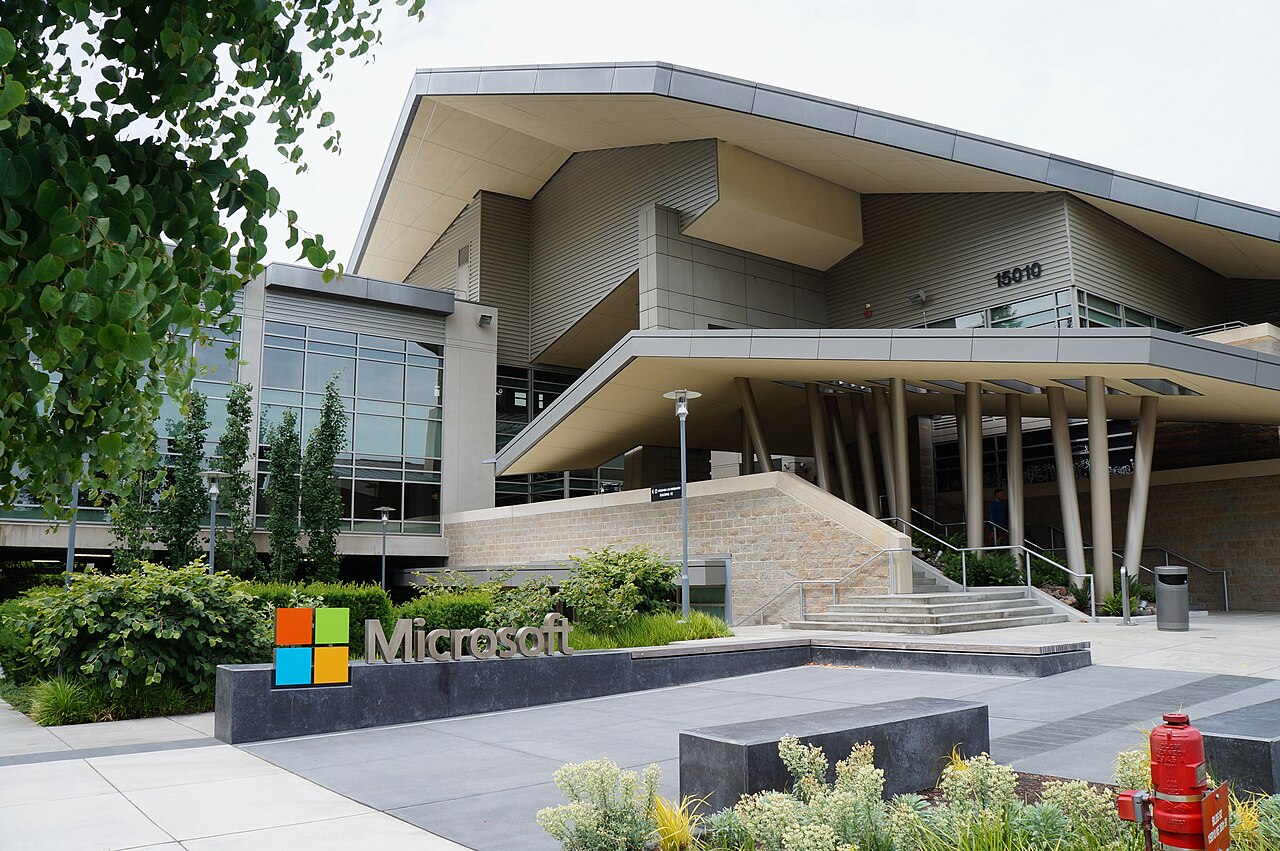
Microsoft: 11/20. A wonderful franchise, but at about 32 times earnings, once investment gains are stripped out, and with free cash flow down 23% last quarter as spending heads for $175bn, there is no margin of safety. Results come Wednesday.
Nidec: 4/20, too hard. Its auditor refused to sign the accounts even after ¥632bn of write-downs, and the company is suing its founder. We cannot value a business whose numbers we cannot trust.
Unchanged: Meta 10, ASML 13 and Tesla 6 (too hard).
Mention only
- EQT, the buyout firm, has agreed a €46.50 a share cash bid for Qiagen. Anthropic plans to list next month; it is not yet trading.
- The Bank of England has ordered a review of Revolut's controls, and DWS is paying out only 10% of redemption requests at its flagship property fund.
- America's Fed is set to stick with quarterly rate rises.
Also on our desk (since Monday's article)
- Intuitive Surgical 15/20 (Monday X sweep): a superb, debt-free robotics franchise, but at about 48 times adjusted earnings it needs a price nearer $300.
- Fair Isaac 12/20: the cheapest in years, but holding prices this year weakens its moat and the balance sheet is stretched.
- Teleperformance 8/20 and Concentrix 6/20 (too hard): cheap on cash flow, but AI threatens call-centre work and Concentrix carries heavy debt.
- Nu Holdings fell 20% in the Brazil sell-off; we scored it 10 earlier and have not rescored it.
Nothing new cleared 15 today. Good results and a falling price can arrive on the same morning. We would rather buy a fine business at a fair price than a cheap one we cannot understand.
Research only, not investment advice.